
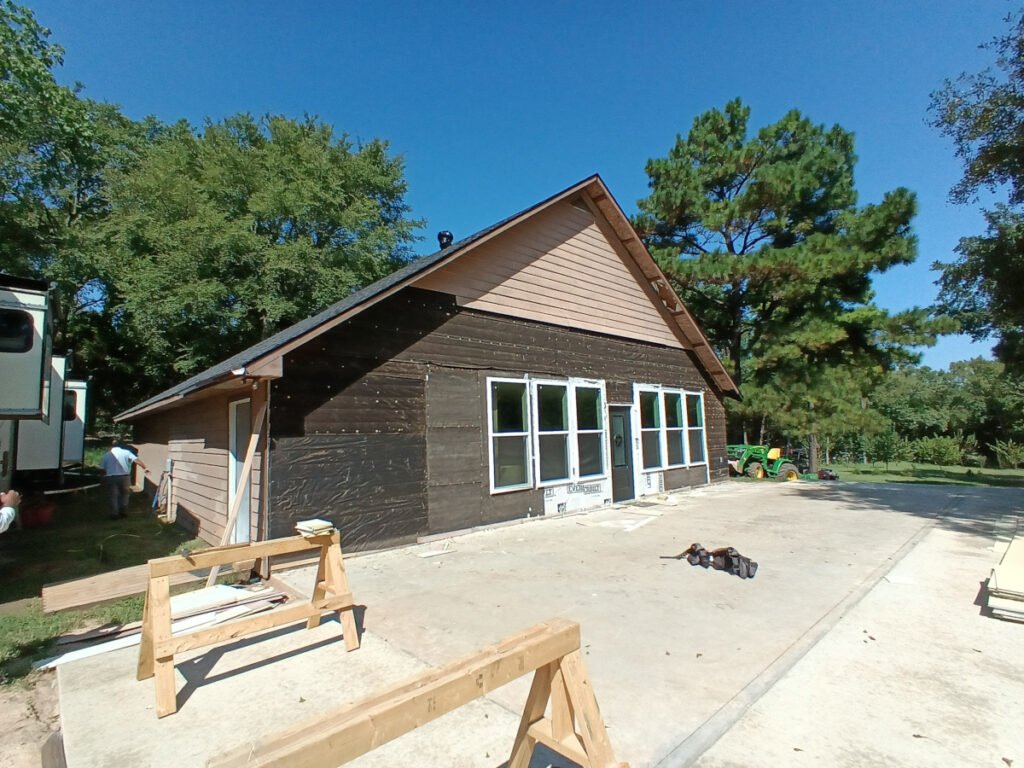
A home addition is the fastest way to gain livable square footage without moving — and when done right, it feels like it was always part of your home.
A home addition is a structural expansion that increases the livable square footage of your home. It can be a new room, an extended master suite, a second-story build, a sunroom, or a garage conversion.
In Tyler TX, home additions typically require engineering plans, permits, foundation work, and full integration with your existing structure.
How Much Does a Home Addition Cost in Tyler, TX?
Home addition costs vary widely depending on size, structural changes, and finishes. Typical ranges in East Texas:
| Type of Addition | Typical Cost Range |
|---|---|
| Room Addition | $22,000–$45,000 |
| Master Suite Addition | $28,000–$65,000 |
| Bathroom Addition | $20,000–$35,000 |
| Garage Conversion / ADU | $15,000–$30,000 |
| Second-Story Addition | $80,000–$220,000 |
| Sunroom / Enclosed Patio | $13,000–$25,000 |
Direct Answer: Most home additions in Tyler take 5–16 weeks from permits to final inspection.
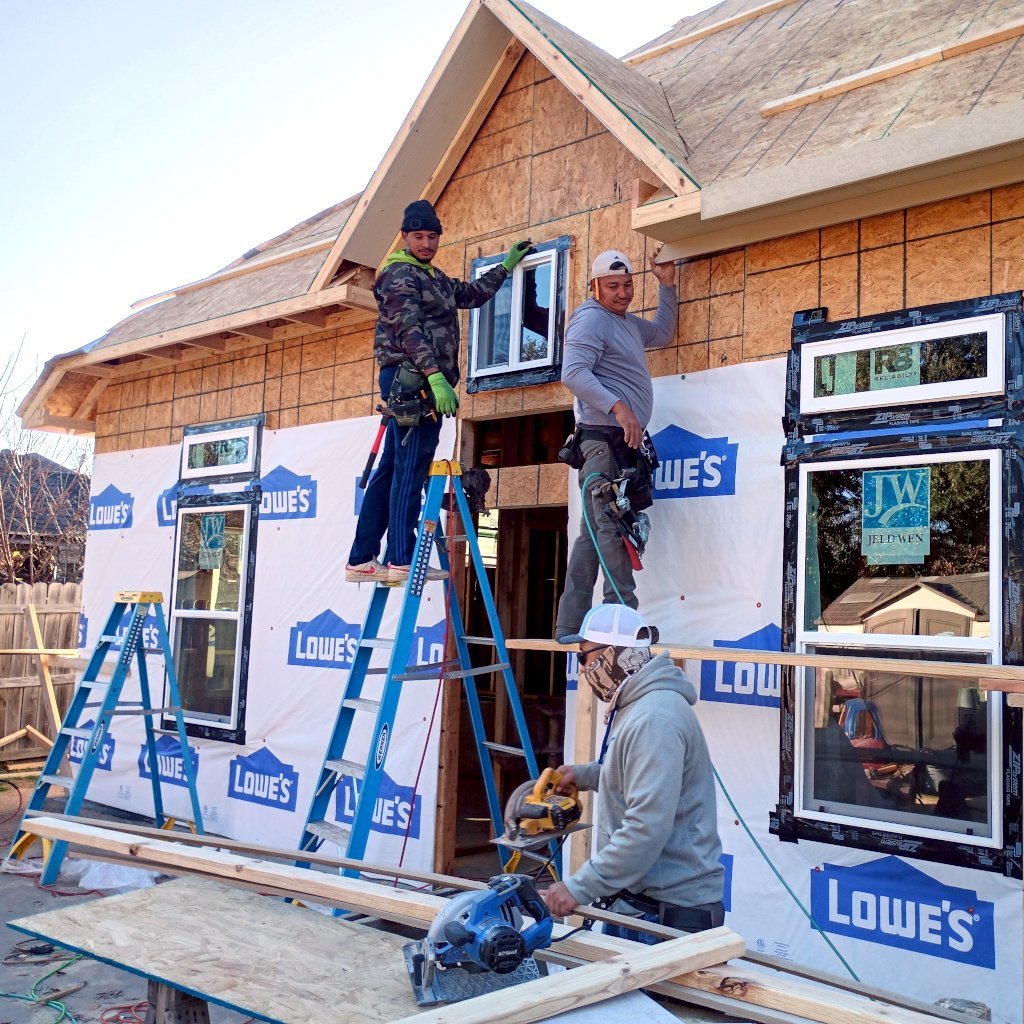
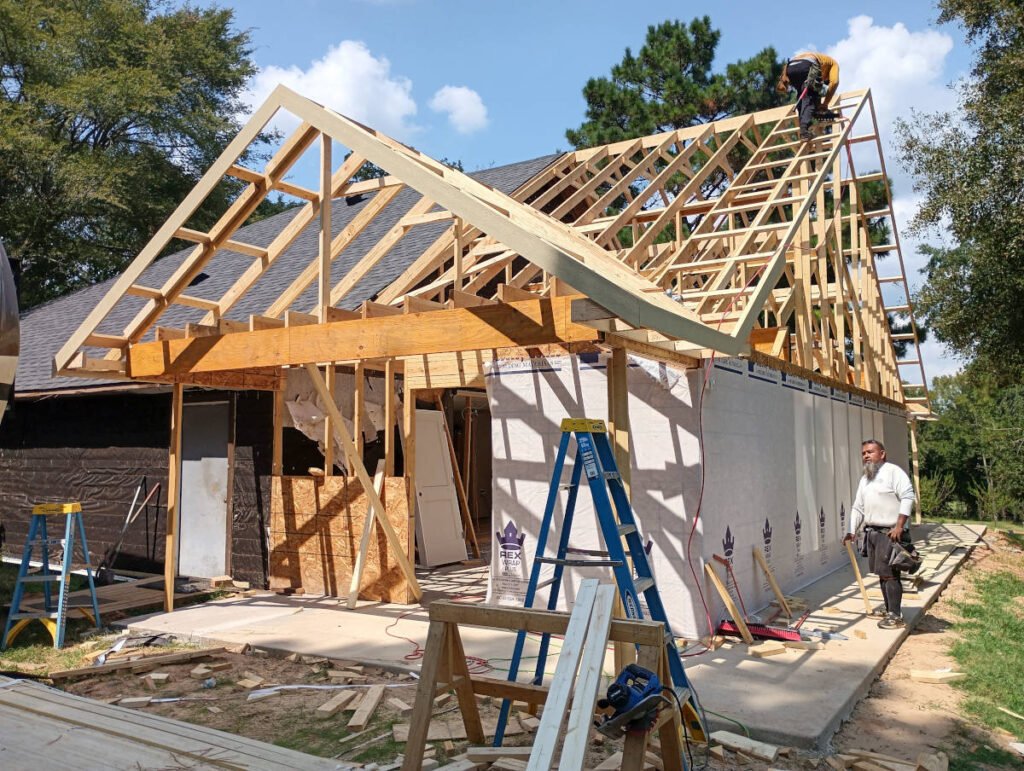
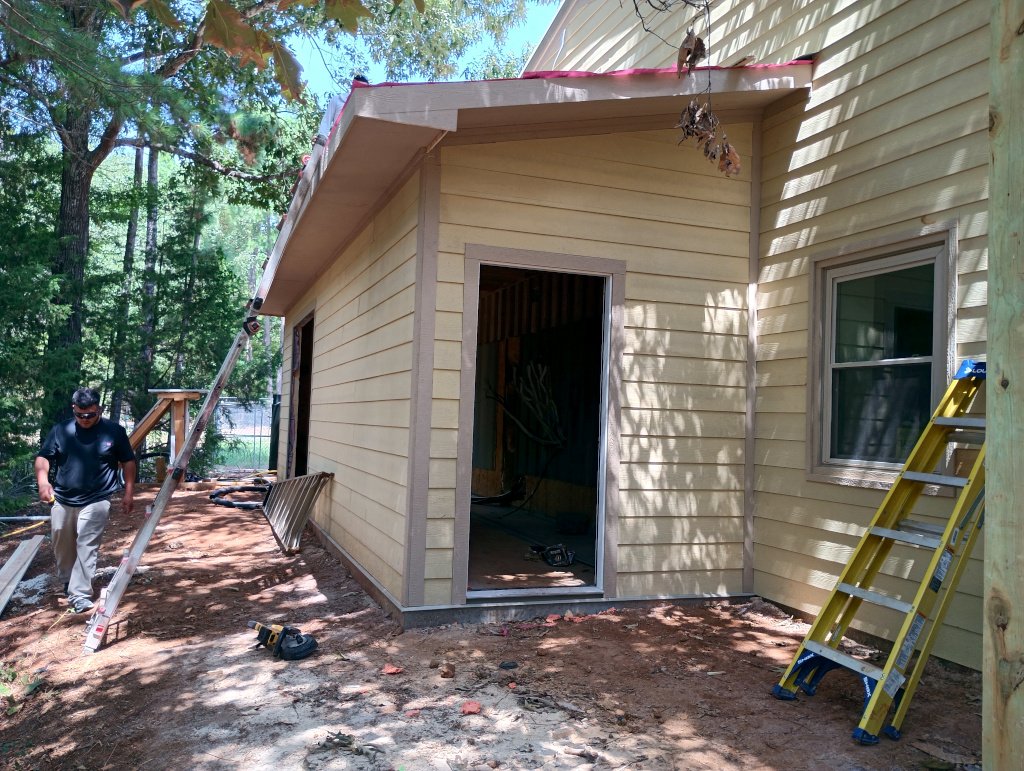
Second-Story Additions
Ideal for smaller lots. Requires structural evaluation, roof removal, and engineering reinforcement.
Sunrooms & Enclosed Patios
Bright, climate-controlled spaces that bring in natural light without full-scale structural changes.
In-Law Suites / Separate Living Areas
Private, functional spaces for guests, aging parents, or rental opportunities.
Home Additions in East Texas: What should we consider?
1. Foundation Requirements (Slab vs Pier & Beam)
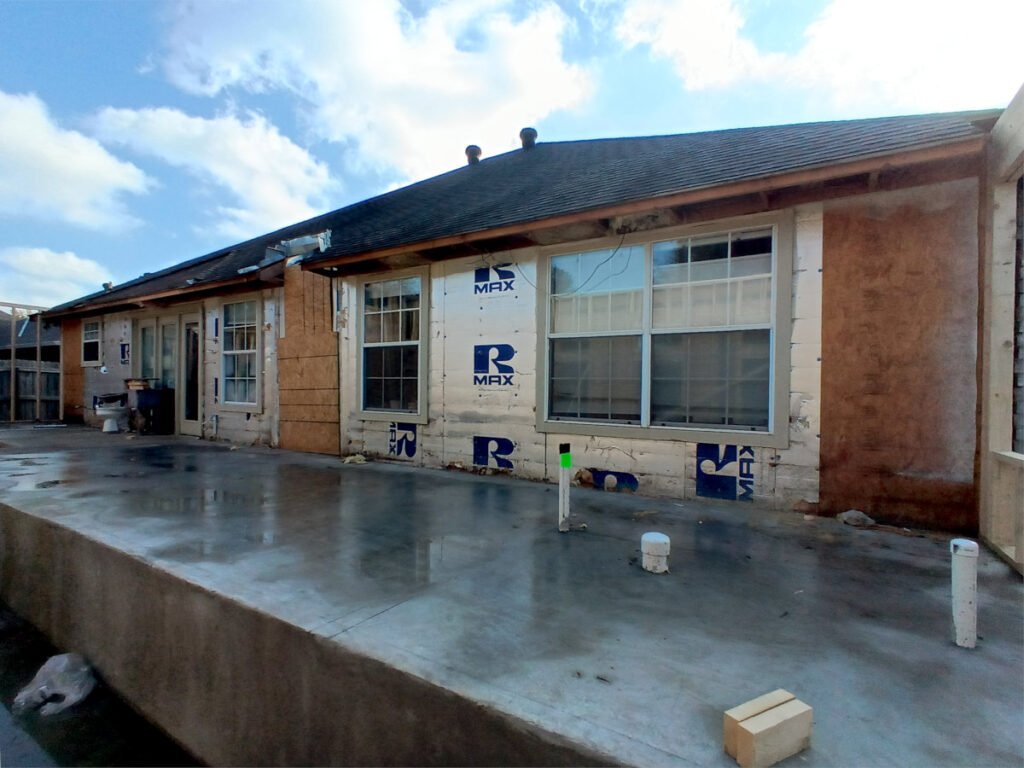
Tyler’s clay soils expand and contract. A proper foundation prevents cracks, shifting, and drainage issues.
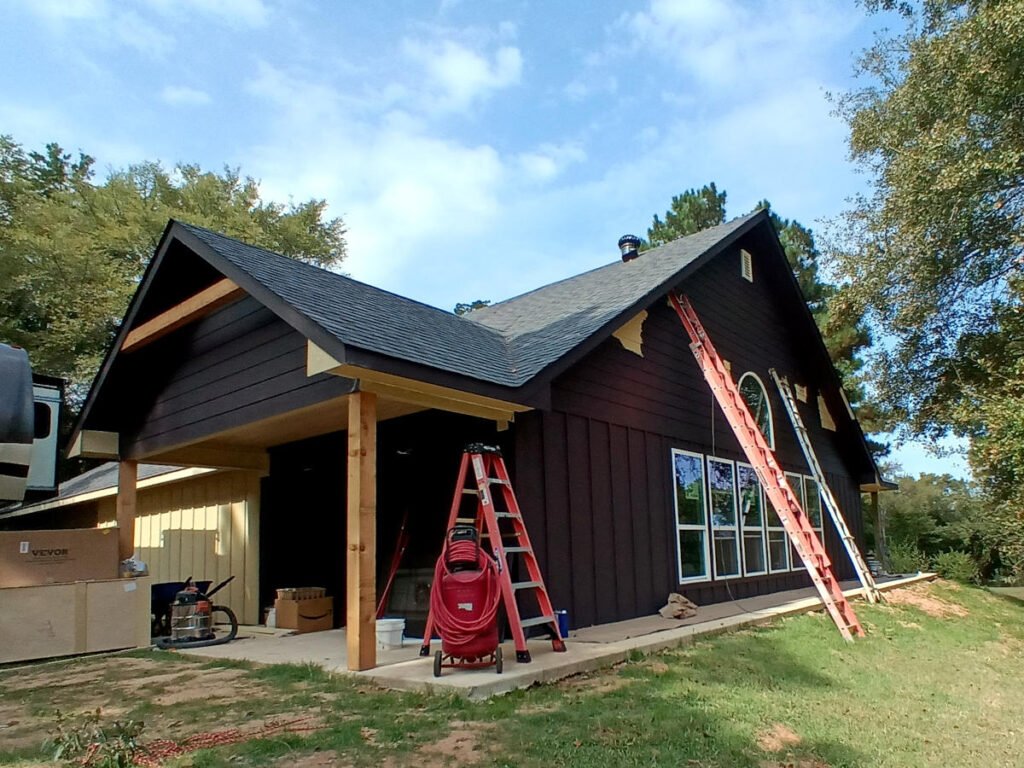
2. Roofline & Exterior Matching
Seamless siding, roofing, fascia, and trim determine whether the addition looks original or “tacked on.”
3. HVAC, Plumbing, and Electrical Integration
Additions require load calculations, panel upgrades, new plumbing lines, and correct duct runs to pass inspection.
4. HOA and City Requirements
Most Tyler neighborhoods require approvals, setback compliance, and stamped plans for structural changes.
Our home extension process (step by step)
1. On-Site Evaluation
Assess structural layout, foundation, access, and feasibility.
2. Concept & 3D Design
Visualize the addition, confirm dimensions, and set expectations.
3. Engineering & Permits
City of Tyler and Smith County require stamped plans for structural work, electrical, HVAC and plumbing.
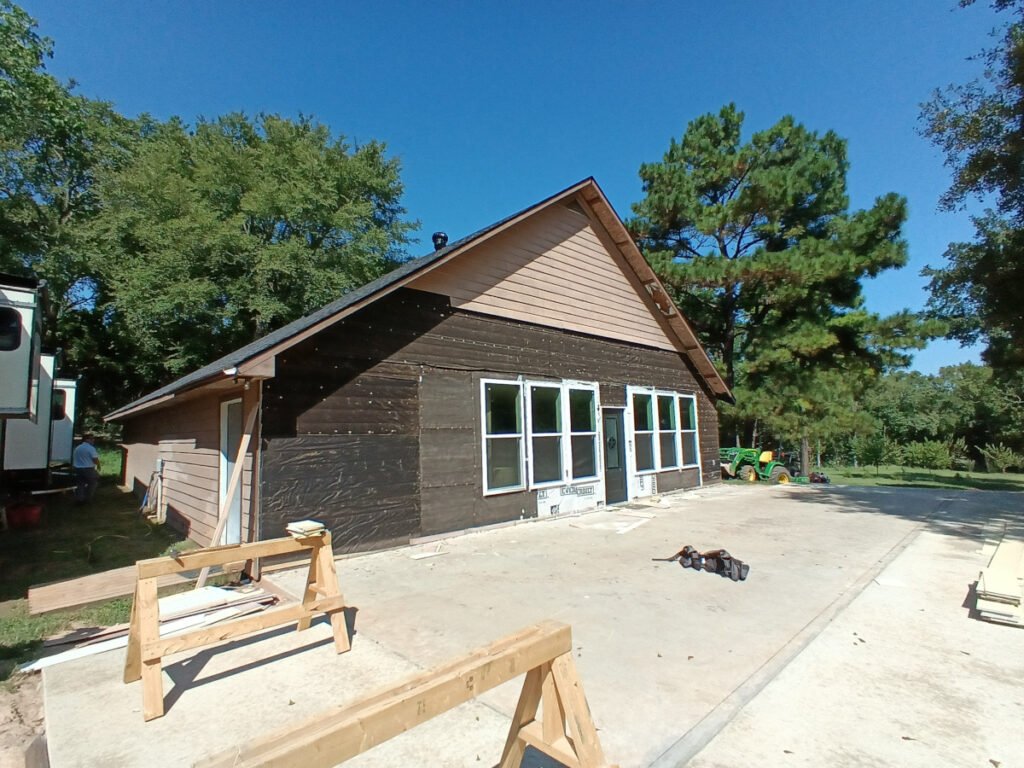
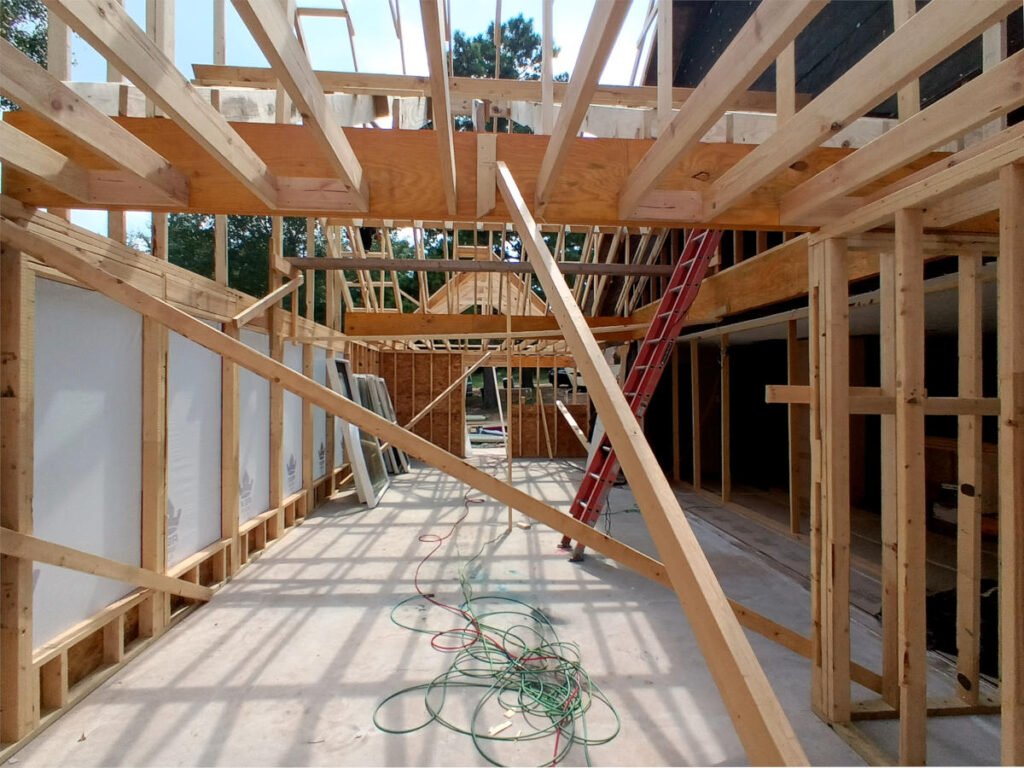
4. Construction Phase
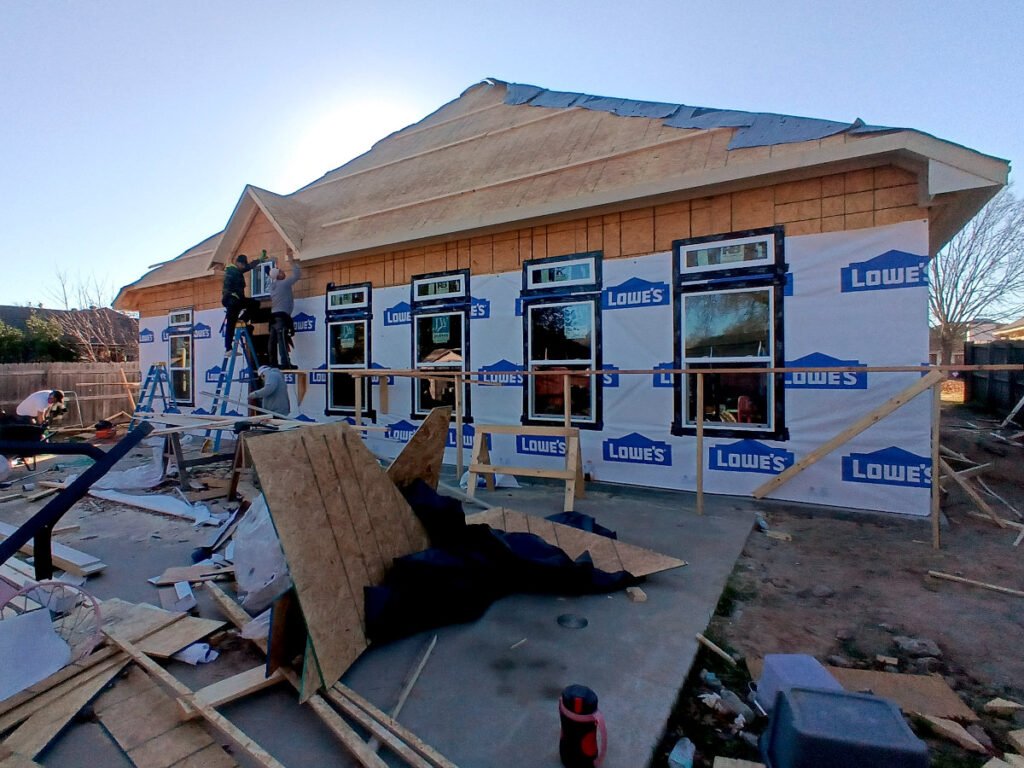
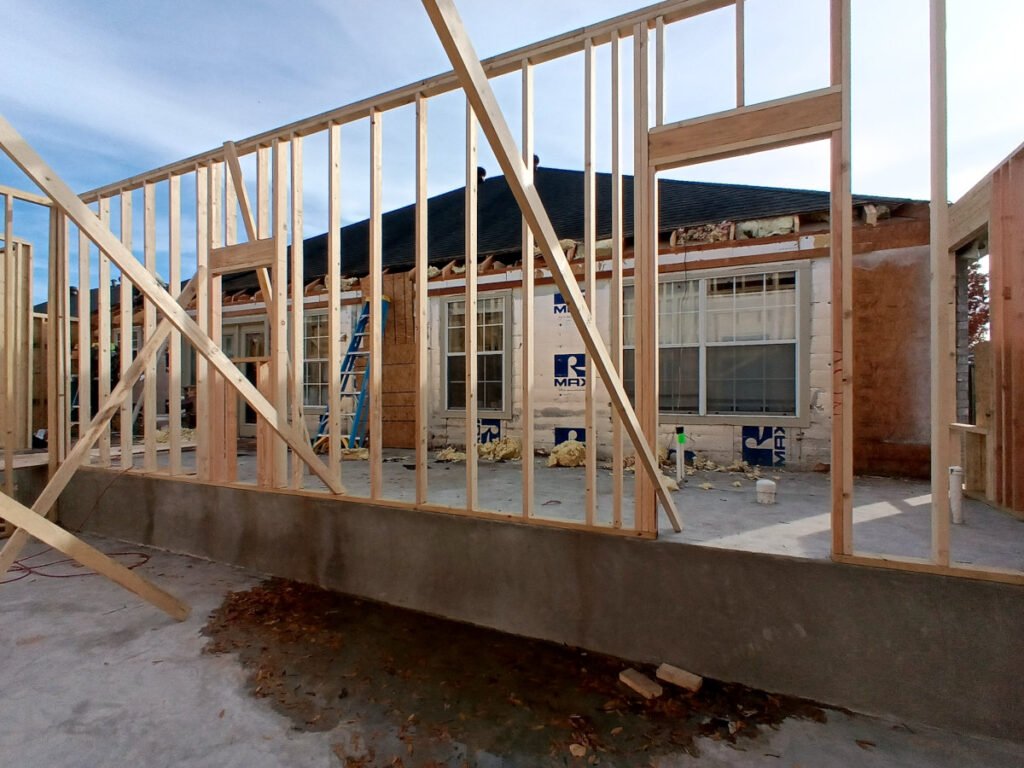
Foundation → framing → roofing → exterior match → insulation → mechanicals → drywall → finishes.
5. Final Inspection & Walkthrough
Ensures safety, code compliance, and proper integration.
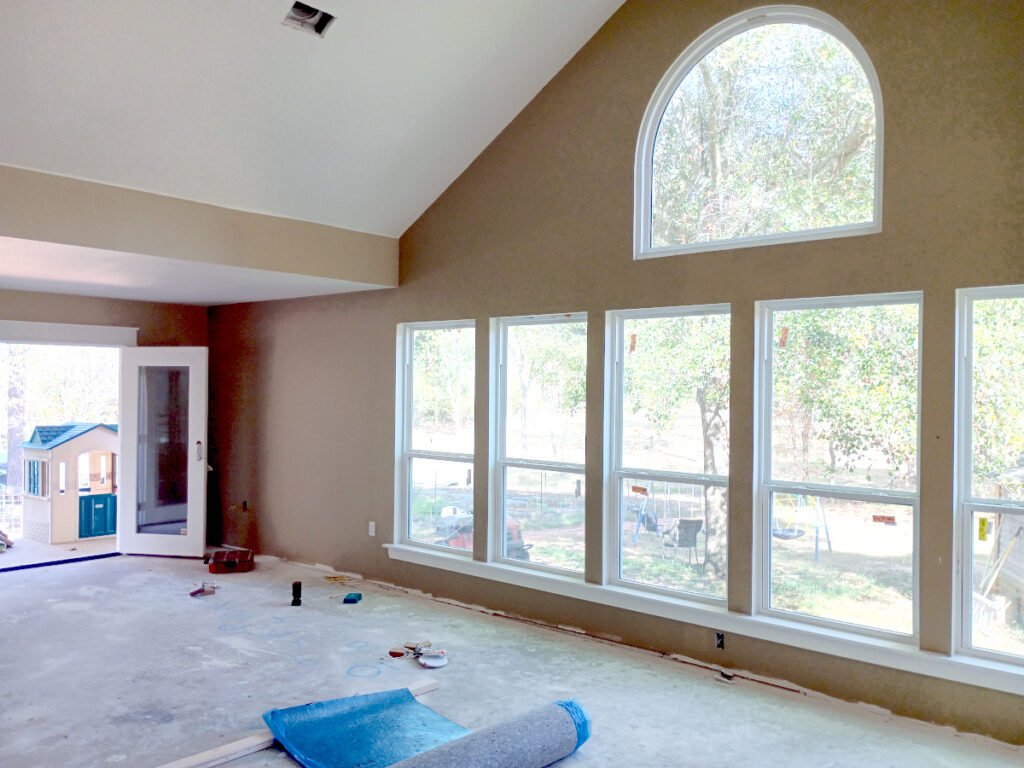
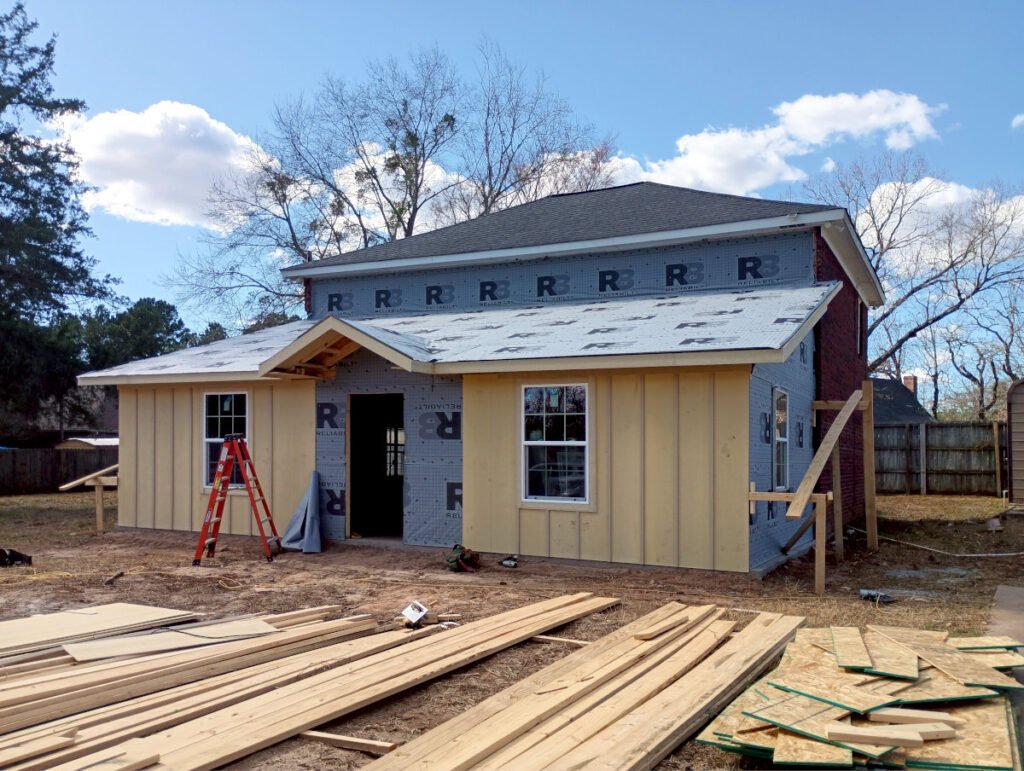
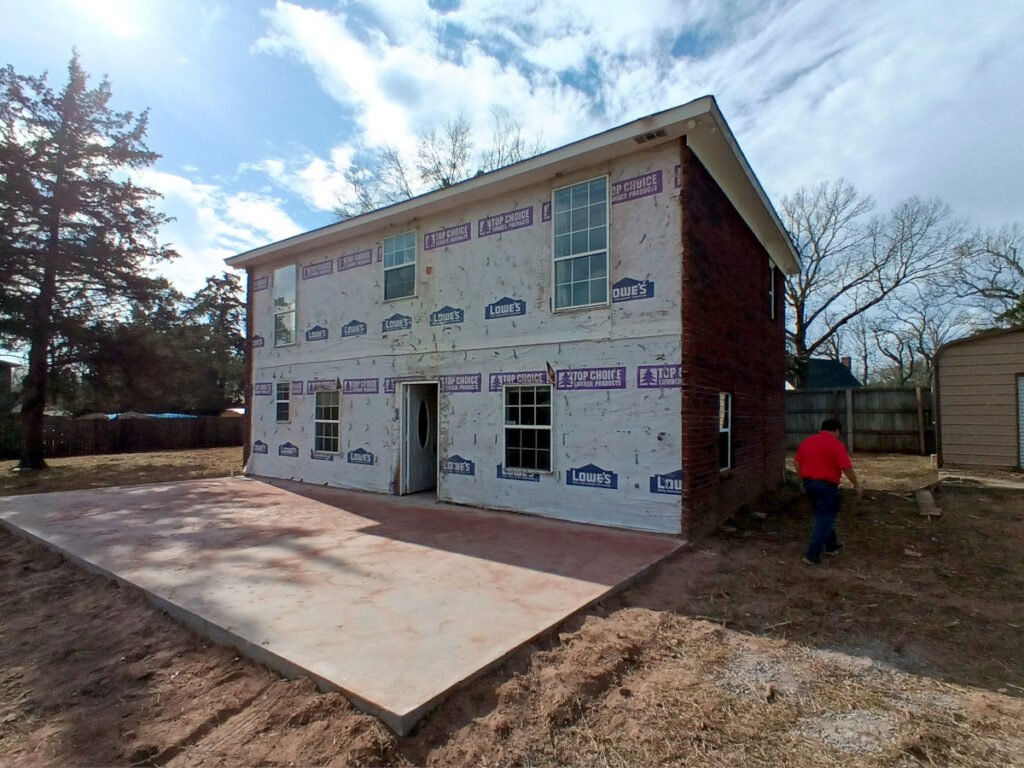
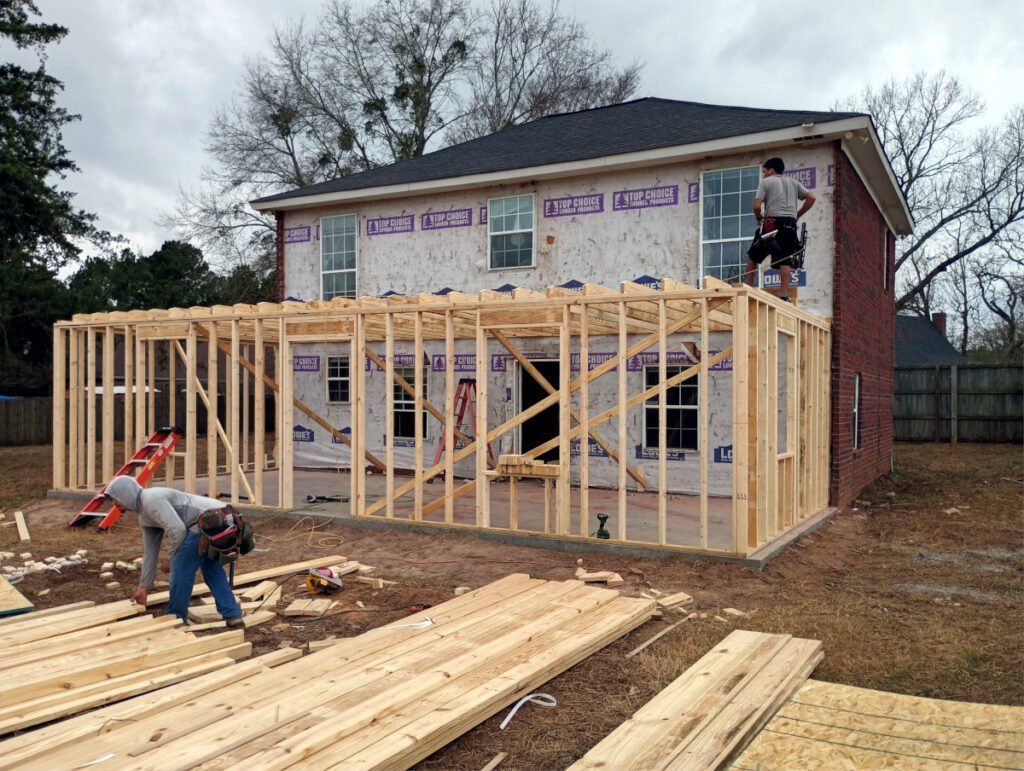
Service Areas
Tyler • Whitehouse • Bullard • Jacksonville • Chandler • Flint • Lindale • Smith County and surrounding East Texas communities.
Overview
Home Addition Overview (Tyler, TX)
A home addition in Tyler TX adds livable square footage through room extensions, master suites, garage conversions or second-story builds. Most projects require permits, engineering, and foundation adjustments due to East Texas soil.
Cost Block: Home Addition Pricing in East Texas
Home additions typically cost $28,000 to $250,000 depending on size and structure. Garage conversions and sunrooms are the most affordable; second-story additions are the most complex.
Process Block: How a Home Addition Works
The process includes evaluation, 3D design, engineering, permits, construction, and final inspection. Proper planning prevents mismatched siding, roof issues, and HVAC overload.
Why Home Additions Are Worth It in Tyler, TX
- Increase square footage without changing neighborhoods
- Improve home value with functional space
- Customize your layout to your lifestyle
- Create potential rental income
- Modernize older floor plans common in East Texas
Line Summary (Direct Answer)
A home addition expands your home’s livable space with new rooms, suites, or converted areas.
In Tyler TX, costs range from $28,000 to $250,000.
Projects require permits and structural planning.
Timelines run 5–16 weeks.
Additions increase comfort, functionality, and home value.
Home Addition Checklist
- Define the type of addition you need
- Confirm zoning, setbacks, and HOA rules
- Get engineering and stamped plans
- Review budget + 3D design
- Start construction with timeline milestones
Common Home Addition Mistakes
Ignoring foundation and soil movement
Not planning HVAC load
Mismatching roofing/siding
Skipping permits
Choosing the cheapest option vs. the right one
FAQs About Home Additions
Find answers to commonly asked questions about our products and services.